

Thinking about buying land? I get it. It’s a big decision that can feel overwhelming.
Land investment offers real potential for growing your money over time, earning passive income, and spreading out your financial risk. But is it right for you?
In this article, I’ll walk you through everything you need to know about investing in land. We’ll cover the benefits, risks, costs, and smart strategies to help you decide if this path makes sense for your goals.
I’ve done the research so you can make a confident choice.
Let’s break down what land investment really looks like and whether it fits your financial future.
Why Consider Land as an Investment?

Land gives you something real you can touch and own. Unlike stocks that exist only on paper, physical property provides security and spreads out your investment risk.
You can earn money from land without doing much work. Lease it to farmers, solar companies, or cell tower operators and collect regular payments.
History shows land values typically grow over time. As inflation pushes up the cost of everything else, land often holds or increases its value. There’s only so much land available, and that limited supply works in your favor.
Compared to rental properties or commercial buildings, raw land requires less hands-on management. No tenants calling about broken pipes or roofs that need fixing.
Benefits of Investing in Land
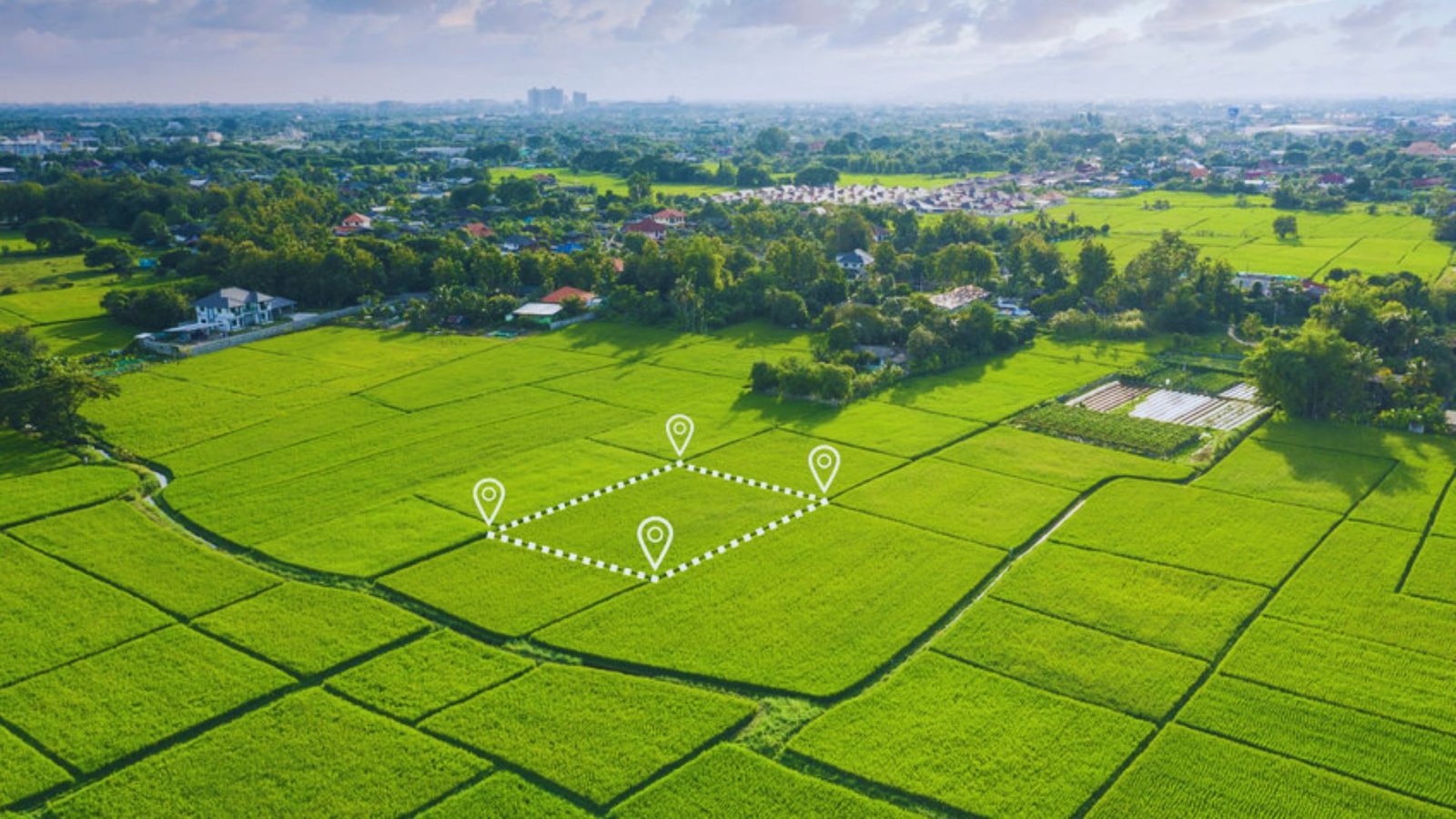
Land ownership brings multiple financial advantages, from growing property values to generating income without active management.
Long-Term Appreciation
Land values tend to climb over the years. In many markets, property prices have grown steadily, especially in areas near expanding cities.
Look at data from the past few decades. Land near developing regions often doubles or triples in value. This growth typically outpaces inflation and can match or beat other real estate options like rental homes.
The key is patience. Land is a long game, not a quick flip. But for people who can wait, the payoff can be substantial.
Passive Income Opportunities
Your land can make money while you do nothing. Here are ways to generate income:
Agricultural leasing: Farmers pay to grow crops or raise livestock on your property
Solar farms: Energy companies rent space for solar panels
Cell towers: Telecom providers pay monthly fees for tower placement
Storage facilities: People pay to park RVs, boats, or equipment
Hunting leases: Sportsmen pay seasonal fees for hunting rights
These arrangements create steady cash flow without the headaches of managing buildings or dealing with residential tenants.
Portfolio Diversification
Land balances out riskier investments. When stocks drop, real estate often holds steady or moves independently.
Adding land to a mix of stocks and bonds gives you protection. Different asset types react differently to economic changes. This spread reduces your overall risk.
Physical property also provides psychological comfort. You can visit it, walk on it, and know exactly what you own.
Inflation Protection
As costs rise, so does land value. When everything gets more expensive, the money you invested in land grows too.
Limited supply is the magic here. They’re not making more land, but the population keeps growing. More people need more space, which pushes prices up.
During periods of high inflation, land often outperforms savings accounts and bonds. Your investment maintains purchasing power instead of losing value to rising costs.
Factors to Consider Before Buying Land
Smart land investing starts with understanding location, regulations, market trends, and physical conditions that affect property value.
Location and Accessibility
Where you buy matters more than almost anything else. Land near growing cities appreciates faster than remote parcels.
Check proximity to highways, airports, and major employers. Good road access increases value and makes the property easier to sell later.
Watch for nearby developments. New schools, shopping centers, or residential neighborhoods signal growth. These changes can dramatically boost your land’s worth.
Zoning Regulations and Permitted Uses
Zoning rules control what you can do with your land. Some parcels allow only farming, while others permit homes or businesses.
Visit your local zoning board before buying. Ask about current designations and potential changes. A property zoned residential is worth more than agricultural land in most cases.
Understanding restrictions prevents costly mistakes. You don’t want to buy land for building homes only to learn it’s restricted to agriculture.
Market Demand and Growth Potential
Population trends tell you where to invest. Areas with growing populations and strong job markets see faster appreciation.
Research economic development plans. Are companies moving in? Are infrastructure projects planned? These factors create demand.
Look at historical price trends in the area. Has land value grown steadily over the past 10 to 20 years? Past performance doesn’t guarantee future results, but it provides useful context.
Land Condition and Utilities
The physical state of your land affects its value. Good soil, flat topography, and proper drainage make land more usable and valuable.
Water access is critical. Properties with wells, creeks, or irrigation rights command higher prices.
Check utility availability. Land with nearby electricity, water, and sewer connections is easier to develop and worth more than parcels requiring expensive infrastructure installation.
Road frontage adds value. Properties accessed only by easements or rough trails are harder to sell and develop.
Risks and Challenges of Land Investment
Every investment carries risks, and land comes with its own set of challenges from market swings to hidden costs.
Market Volatility
Land values can drop during economic crashes. The 2008 financial crisis hit real estate hard, with many properties losing 30% to 50% of their value.
Unlike rental properties that generate income during downturns, raw land produces nothing. You’re relying entirely on appreciation, which isn’t guaranteed.
Recovery can take years. If you need to sell during a downturn, you might take a significant loss.
Illiquidity
Selling land takes time. Raw, undeveloped parcels often sit on the market for months or years before finding buyers.
Banks view land as risky. Getting a loan to buy raw land is harder and more expensive than financing a house. Expect higher down payments and interest rates.
This means tying up capital for extended periods. If you need cash quickly, land won’t help you.
Ongoing Costs
Owning land isn’t free. You’ll pay property taxes annually, regardless of whether the land generates income.
Insurance protects against liability if someone gets hurt on your property. Depending on location and use, this can cost hundreds or thousands yearly.
Maintenance includes clearing brush, fixing fences, and maintaining access roads. Unexpected repairs add up.
These costs eat into returns. Calculate them carefully before buying.
Environmental and Legal Considerations
Hidden problems can derail your investment. Easements might give others rights to cross or use your land.
Environmental regulations restrict what you can do. Wetlands, endangered species habitats, or contaminated soil create serious limitations.
Title issues cause legal headaches. Always conduct thorough title searches to confirm clear ownership.
Vacant land insurance and proper legal review protect you from these risks. Don’t skip these steps to save money.
Tips to Maximize Returns
Successful land investing requires smart buying decisions, property improvements, and expert guidance to boost your returns.
- Buy where growth is coming, not where it already arrived. Research areas with planned infrastructure, new employers, or expanding suburbs. Time your purchase during economic downturns when prices are low for higher returns when markets recover.
- Conduct thorough research before purchasing. Talk to local real estate agents, review municipal development plans, and study demographic trends. Understanding the market helps you spot opportunities others miss.
- Add value through property improvements. Clear brush, grade land, and improve access roads to make your property more attractive. Install utilities like wells, septic systems, or electric service to dramatically boost value.
- Consider small development projects for big returns. Build simple structures like pole barns or add recreational features like ponds. Buyers pay premiums for ready-to-build land with added amenities.
- Work with professionals who know the market. Real estate agents, lawyers, surveyors, and land use consultants cost money upfront but prevent costly errors. Local experts help you understand zoning, negotiate better deals, and maximize property potential.
Conclusion
I’ve been researching investment options for years, and land keeps proving its value when done right. Yes, it requires patience and careful planning.
But the combination of appreciation potential, passive income, and portfolio protection makes it worth considering.
Is land a good investment? For many people, absolutely, if you do your homework, understand the risks, and match the property to your goals.
Don’t rush in blind. Talk to professionals, study your market, and make informed choices. What questions do you have about land investing?
Drop a comment below. I’d love to hear about your experience or help you think through your options.
Frequently Asked Questions
How much money do I need to start investing in land?
Small rural parcels start at $5,000 to $10,000, while better locations cost $20,000 to $50,000 or more. Don’t forget to budget for closing costs, surveys, and annual property taxes.
Does raw land generate any income?
Yes, through agricultural leases, hunting rights, solar farms, cell towers, or storage rentals. Many parcels produce no income until you lease or develop them.
How long should I plan to hold land before selling?
Plan on 5 to 10 years minimum for meaningful appreciation. Some investors hold for decades depending on location, market conditions, and their financial goals.
What are the biggest mistakes new land investors make?
Skipping zoning research, avoiding professional surveys, underestimating ongoing costs, and buying in areas with no growth potential. Always do thorough research first.
Is buying land better than buying rental property?
It depends on your goals. Rentals generate immediate income but need active management. Land requires less work but grows value through appreciation, not cash flow.