

Think about what you bought this week. That coffee you grabbed this morning? The shoes you ordered online? Each choice you made created ripples you probably didn’t notice.
Here’s something most people don’t realize: your spending actually shapes the global economy. When you choose one brand over another, you’re voting with your money.
Companies track what you buy. They shift their strategies based on your decisions.
You have more influence than you think. Your everyday choices affect jobs in other countries, shift market trends, and change how businesses operate.
You’re not just spending money. You’re making an impact.
Let’s understand how?
The Basics: How Individual Choices Influence the Economy

Every time you choose to buy something, you’re deciding how limited resources get used.
There’s only so much of everything to go around, and your purchases tell companies what to make more of.
When you pick one thing, you give up another. That’s called opportunity cost. Buy a new phone? That’s money you can’t spend on a vacation.
Now multiply your choices by millions of people. Suddenly, individual decisions become powerful market forces.
What seems small on your end adds up to shape entire industries and economic trends worldwide.
Consumption Habits and Global Trade
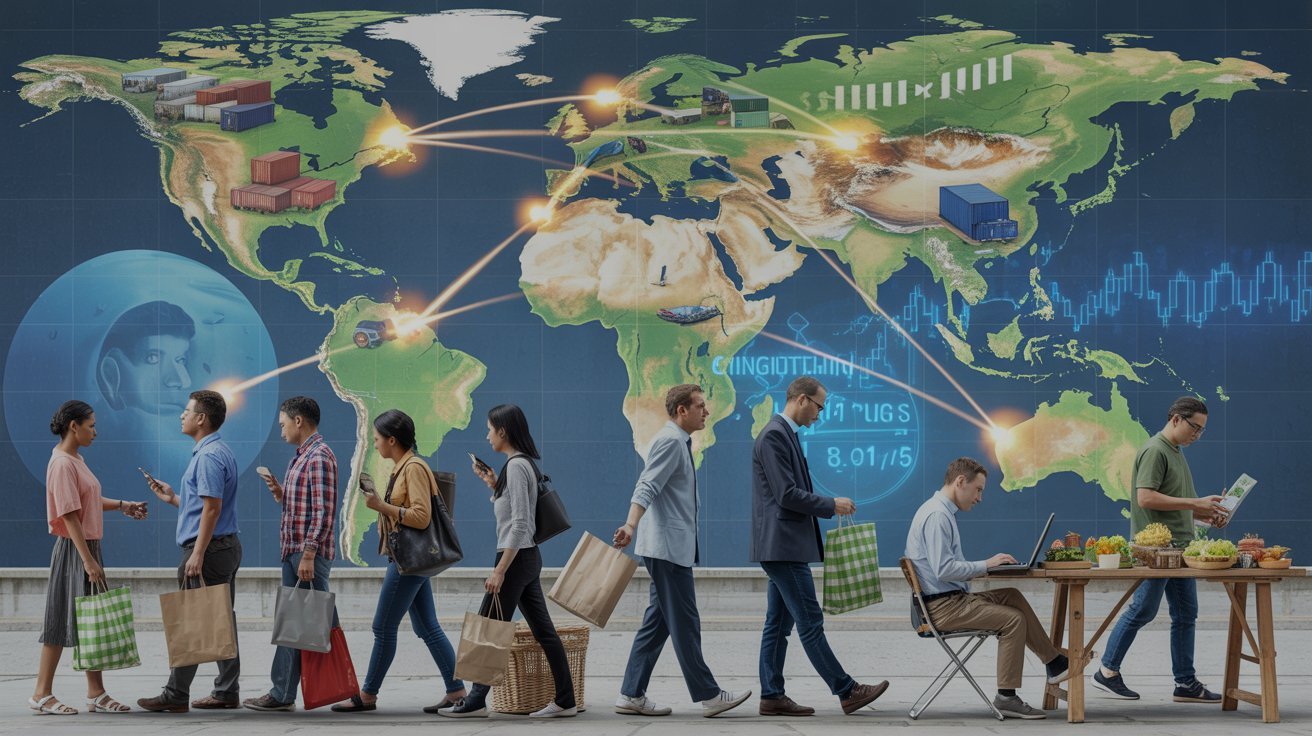
Your shopping habits create waves across international markets. What you buy, when you buy it, and from whom all matter.
How your spending choices impact international markets
When you buy products from other countries, you’re participating in global trade. Your purchase creates demand that reaches across borders.
If millions want a specific product, manufacturers increase production. This affects shipping companies, suppliers, and workers in multiple countries.
Your spending patterns influence which products get imported or exported.
Supporting ethical, local, or international brands and its economic ripple effects
Where you spend matters as much as what you buy. Choosing local businesses keeps money in your community and supports nearby jobs.
Buying from international brands affects workers and economies abroad. Ethical brands that pay fair wages create better working conditions.
Your choice to support them sends a clear message.
Seasonal and strategic purchasing decisions
The timing of your purchases influences production cycles and pricing. Shopping during sales or off-seasons helps balance demand throughout the year.
Retailers plan inventory based on when people typically buy. Strategic shopping saves you money while helping businesses manage resources better.
Your seasonal habits contribute to smoother supply chains.
Saving, Investment, and Financial Decisions

- Your energy use at home and transportation choices directly impact electricity demand and fuel markets. Driving less or using public transit reduces oil demand and affects gas prices globally.
- Buying sustainable products shifts money toward eco-friendly companies and forces traditional industries to adapt or lose customers. Your purchasing decisions influence which businesses grow and which decline.
- Choosing reusable items over disposables affects manufacturing decisions worldwide. Companies producing wasteful products see declining sales while sustainable businesses expand and create more jobs.
- Governments create policies based on consumer trends like electric car adoption and solar panel interest. Your collective choices determine which industries receive subsidies, tax breaks, and regulations.
- International climate agreements and country policies consider how individual behavior affects emissions. Nations compete to attract eco-conscious consumers, making your daily choices matter on a global scale.
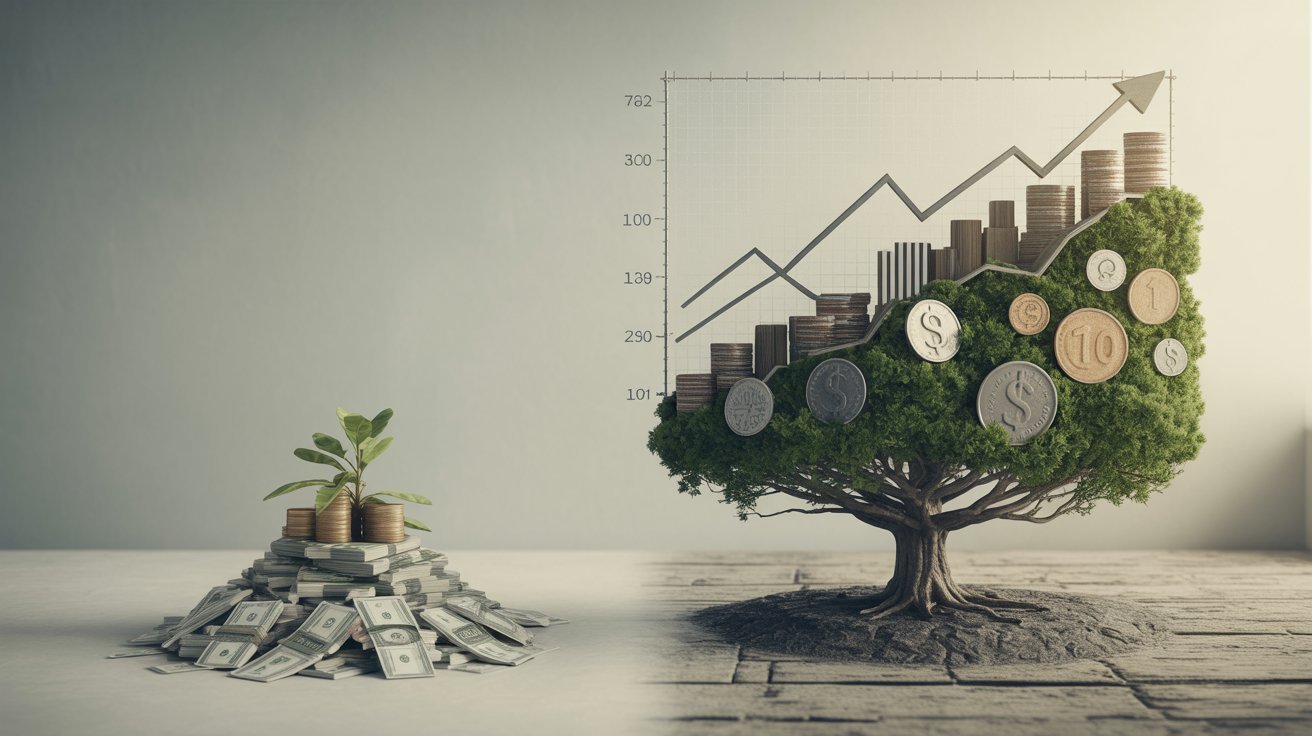
Where you put your money affects interest rates, markets, and overall economic health.
When you save money in a bank, that cash doesn’t just sit there. Banks lend it to businesses and individuals, keeping the economy moving.
Your investment choices direct capital toward certain industries and companies. If many people invest in tech stocks, that sector grows stronger.
Your financial behavior also affects market stability. When consumers save more during uncertain times, spending drops and businesses struggle.
When people feel confident and spend freely, the economy expands. These collective patterns create cycles of growth or recession.
Lifestyle Choices and Environmental Economics
Consumer Behavior and Market Dynamics
Your buying patterns and preferences directly shape how global businesses operate and plan for the future.
When you refuse to pay high prices, companies notice and adjust costs. Your price sensitivity affects suppliers and manufacturers worldwide.
Brand loyalty keeps certain companies profitable while others struggle. Your purchasing trends tell businesses what to produce more of.
Psychology plays a role too. Fear, excitement, and social pressure influence spending. These emotional decisions, multiplied across millions of shoppers, create powerful market forces that shift entire economies.
Education, Skills, and Career Decisions
Your career path and skills don’t just affect your paycheck. They shape labor markets and economic growth worldwide.
How choosing certain careers influences labor markets globally
When you choose a career, you’re responding to market demand. If thousands study tech, that field grows while others face worker shortages.
High demand for nurses drives up their pay. Too many people in one field? Salaries drop. Companies move operations to countries where specific skills are available. Your career choice influences where businesses invest.
Education and skill development as investments affecting global productivity
Learning new skills makes you more productive. Better-trained workers produce more value. When you invest in education, you increase earning potential.
Multiply that across millions, and economies grow stronger. Countries with highly skilled workers attract more businesses. Your decision to learn any trade contributes to your nation’s competitive advantage.
Economic implications of workforce mobility and talent distribution
Where you work has economic consequences. Moving to cities for jobs creates talent clusters that attract companies.
Brain drain happens when skilled workers leave regions, weakening local economies. Remote work is changing this.
Now you can live anywhere and contribute to different economies. Your mobility affects housing markets, tax revenues, and regional development.
Housing, Transportation, and Global Infrastructure
Where you live and how you get around creates demand that reshapes cities, industries, and resource flows globally.
Your housing choice affects construction markets and energy use. Apartments use fewer resources than large homes. Your commute influences fuel demand and car sales.
When people move to cities, urbanization accelerates, creating demand for infrastructure and construction materials. Population shifts change which regions grow economically.
More city dwellers mean different resource needs. These trends affect global trade patterns as countries adjust imports and exports based on where populations live.
The Ripple Effect: Collective Impact of Daily Decisions
Individual choices seem small, but when millions make similar decisions, they create massive shifts in the global economy.
One person buying organic doesn’t change much. Millions doing it? Stores adapt and supply chains transform. Your purchases fund innovation.
Choose electric vehicles and companies invest in battery technology. But choices affect inequality too. Shopping at big retailers hurts small businesses. Buying cheap goods perpetuates low wages abroad.
Be mindful where money goes. Buy local, choose quality over disposable, and support ethical companies. Each informed decision shapes the economy you want.
Conclusion
You now see how your daily choices ripple across the global economy. Every purchase, investment, and lifestyle decision carries weight.
You’re not powerless in this system. You’re an active participant.
Start making informed decisions today. Research where your money goes. Support businesses that align with your values.
Think about long-term consequences, not just immediate convenience. Small shifts in your habits can create big changes when others join you.
The economy isn’t some abstract force controlled by distant powers. It’s shaped by people like you making millions of decisions every day. Use that power wisely.
Your choices matter more than you think.
Frequently Asked Questions
How do my small purchases really affect the global economy?
When millions of people make similar purchasing decisions, they create significant market demand. Your individual choice adds to a collective force that influences what companies produce, where they invest, and how global supply chains operate.
Does buying local products actually make a difference?
Yes, buying local keeps money circulating within your community and supports nearby jobs. It strengthens your regional economy while reducing transportation costs and environmental impact from long-distance shipping.
How does my savings account impact the broader economy?
Banks use your savings to provide loans to businesses and individuals. This creates capital flow that funds new ventures, helps companies expand, and keeps the economy moving forward.
Can my choice of career really influence global labor markets?
Absolutely. When many people choose similar career paths, it creates surpluses or shortages in specific fields. This affects wages, where companies locate operations, and which economies attract investment based on available talent.
What’s the best way to make economically responsible choices?
Research where your money goes and support businesses with ethical practices. Think about long-term consequences, choose quality over quantity, and stay informed about how your decisions affect workers and communities worldwide.