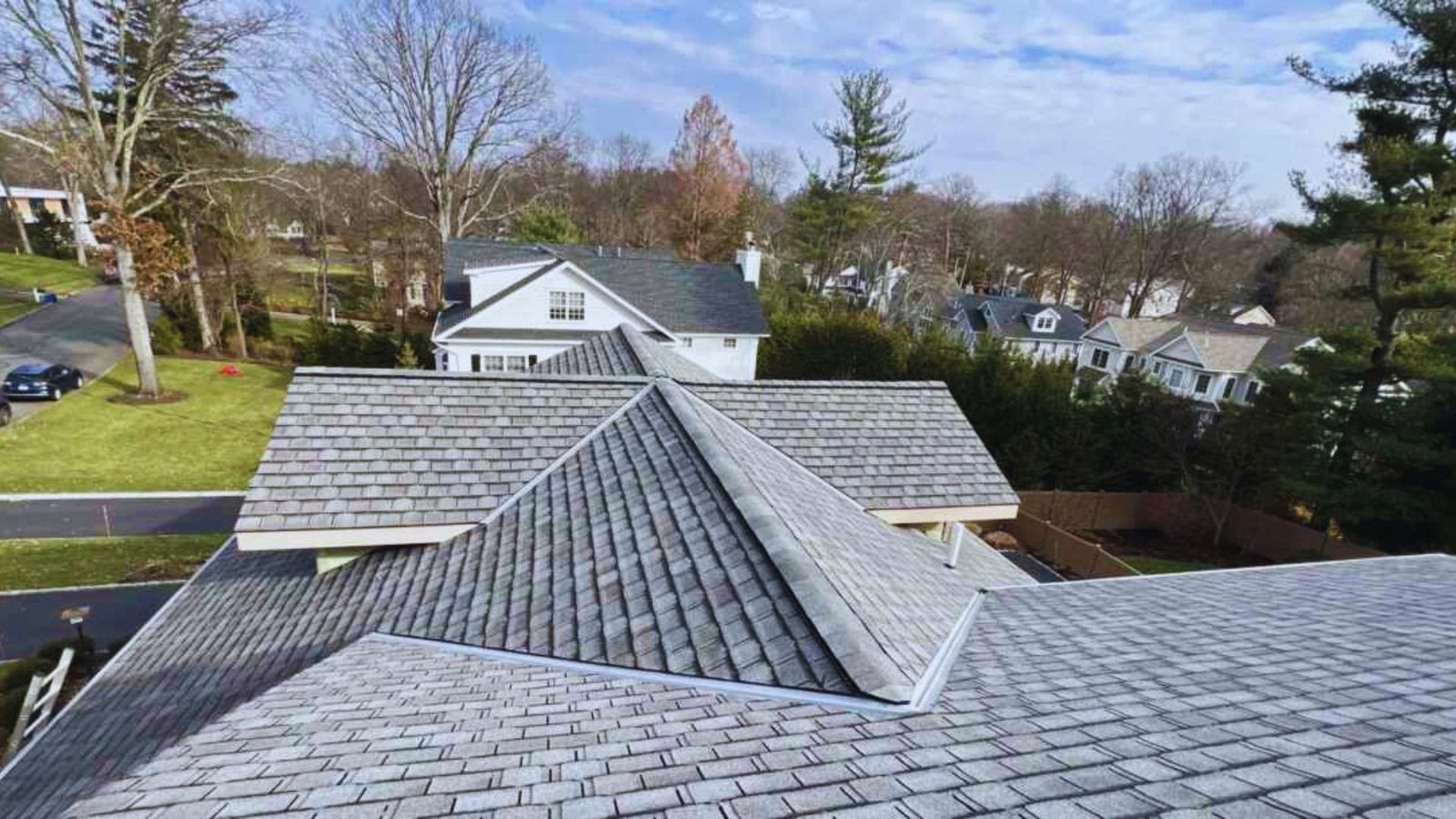


I know what you’re thinking. A new roof costs thousands of dollars, so can I claim a new roof on my taxes?
The short answer is: sometimes. It depends on your situation. I’ll walk you through everything here.
If you have a rental property, use part of your home for business, or install energy-efficient materials, you might get tax benefits. I’ve researched the IRS rules so you don’t have to.
Let’s figure out what applies to you.
Can I Claim a New Roof on Your Taxes?

The IRS sees roof replacements as home improvements, not repairs. That’s an important distinction.
Repairs keep your roof in working condition. Improvements add value or extend its life. A full roof replacement falls into the improvement category.
For your primary home, you typically cannot deduct a new roof on your taxes.
The IRS considers it a capital improvement. That means it increases your home’s value. These costs get added to your cost basis when you sell.
However, some situations change this rule. If you own a rental property, the rules differ. If you use part of your home for business, you might qualify.
Energy-efficient roofing materials can also earn you tax credits.
Understanding Tax Deductions vs Tax Credits

Let me break down these two terms. They sound similar but work differently. Knowing the difference helps you plan better.
What Is a Tax Deduction?
A tax deduction reduces your taxable income. It lowers the amount of income the IRS taxes. For example, if you earn $50,000 and claim a $5,000 deduction, you only pay taxes on $45,000.
Rental property owners can deduct roof costs through depreciation. You spread the cost over several years. This approach reduces your tax bill gradually.
What Is a Tax Credit?
A tax credit directly reduces the tax you owe. It works dollar-for-dollar. If you owe $3,000 in taxes and have a $1,000 credit, you now owe $2,000.
The federal energy-efficient roofing credit is one example. If your new roof qualifies, you get money back. Credits are more valuable than deductions.
Why the Distinction Matters for Roofs
Most homeowners get credits, not deductions. If you install energy-efficient roofing, you might qualify for a federal tax credit. But you can’t deduct a standard roof on your primary home.
Rental property owners get deductions instead. They depreciate the cost over time. Business use also opens up deduction options.
When You May Claim a New Roof on Your Taxes

Several scenarios allow tax benefits for roof replacements. Let me explain each one.
Primary Residence Considerations
Most roof replacements on your main home aren’t deductible. The IRS treats them as personal expenses. You can’t write them off on your tax return.
There’s one exception. If you have a home office or run a business from home, you might deduct part of the cost.
The percentage matches your business use. If your home office takes up 15% of your home, you can deduct 15% of the roof cost.
Rental Property Roof Replacement
Rental properties follow different rules. You can depreciate the cost of a new roof over 27.5 years for residential rental property. This gives you annual deductions that lower your taxable rental income.
Keep detailed records. Save all receipts and invoices. Document the installation date and total cost. The IRS may ask for proof during an audit.
You can also deduct roof repairs on rental properties immediately. Small fixes count as maintenance expenses.
Casualty Loss Deduction
If a disaster damages your roof, you might qualify for a deduction. Fires, storms, floods, and hurricanes count as casualties. The loss must be sudden and unexpected.
The IRS has strict requirements. You must file insurance claims first. You can only deduct the amount not covered by insurance. The loss must exceed 10% of your adjusted gross income.
Document everything. Take photos of the damage. Keep contractor reports and repair estimates. File a police report if applicable.
Energy-Efficient Roofs and Tax Credits
This is where most homeowners can save money. Energy-efficient roofing materials qualify for federal tax credits. I’ll explain what counts.
Eligible Materials
Not all roofing materials qualify. The IRS requires specific energy standards.
Here’s what works:
Metal roofs with reflective coatings reduce heat absorption. They must meet Energy Star requirements. These roofs keep your home cooler in summer.
Asphalt shingles with cooling granules also qualify. Look for products with an Energy Star label. They reflect more sunlight than standard shingles.
Solar roofing shingles combine two benefits. They generate electricity and protect your home. These qualify for both roofing credits and solar energy credits.
Federal Residential Clean Energy Credit
You can claim up to 30% of the cost for qualifying improvements. This includes installation fees. The credit applies to solar panels and solar roofing shingles.
Here’s an example: Say you install solar roofing for $25,000. You can claim a $7,500 credit. That’s real money back on your taxes.
The credit percentage decreases over time. It drops to 26% in 2033 and 22% in 2034. After that, it expires.
State and Local Incentives
Check your state and local programs too. Many areas offer additional rebates or credits. These stack on top of federal benefits.
Some utility companies provide rebates for energy-efficient roofing. Contact your local provider to ask. City and county programs may also exist.
Documentation and IRS Guidelines
Proper documentation is critical. Without it, you can’t claim any tax benefits.
Here’s what you need:
Keep all receipts from your roofing contractor. Save the itemized invoice showing labor and materials. Store these documents for at least seven years.
Get energy certification for qualifying materials. Your contractor should provide manufacturer certifications. These prove your roof meets IRS standards.
Take photos before and after installation. This helps if you claim a casualty loss. It also proves the work was completed.
I strongly recommend consulting a tax professional. Tax laws change frequently. A CPA or enrolled agent knows the current rules. They can help you maximize your benefits legally.
Key Takeaways
Let me summarize what we covered:
- Standard roof replacements on primary homes aren’t deductible. The IRS treats them as personal expenses that increase your home value.
- Tax credits exist for energy-efficient roofing. Metal roofs, reflective shingles, and solar roofing can qualify for federal credits up to 30%.
- Rental property owners can depreciate roof costs. This provides annual deductions over 27.5 years.
- Home office use creates partial deductions. You can deduct the business-use percentage of your roof cost.
- Casualty losses may be deductible. If disaster damages your roof, you might qualify for insurance coverage.
Conclusion
I’ve been through the tax questions myself when replacing my roof. It’s confusing at first, but now you know the basics.
Can I claim a new roof on my taxes? For most of us with regular homes, the answer is no. But energy-efficient materials change that.
Those credits add up fast. If you own rental property or have a home office, you’ve got more options. Talk to a tax professional before filing.
They’ll make sure you get every benefit you deserve. A quality roof protects your home for decades. That’s worth more than any tax break.
Frequently Asked Questions
Can I deduct a new roof on my primary residence?
No, standard roof replacements aren’t deductible on your main home. However, energy-efficient roofing materials may qualify for federal tax credits worth up to 30% of the cost.
How do rental property roof deductions work?
You depreciate the roof cost over 27.5 years for residential rental properties. This creates annual deductions that reduce your taxable rental income.
What qualifies as an energy-efficient roof for tax credits?
Metal roofs with reflective coatings, asphalt shingles with cooling granules, and solar roofing shingles qualify. They must meet Energy Star requirements and include manufacturer certifications.
Can I claim a casualty loss for storm damage?
Yes, if insurance doesn’t cover the full cost. You can only deduct amounts exceeding 10% of your adjusted gross income after insurance payments.
Do I need special documentation for tax credits?
Yes, keep all receipts, invoices, and energy certifications. Store these records for at least seven years in case of an audit.