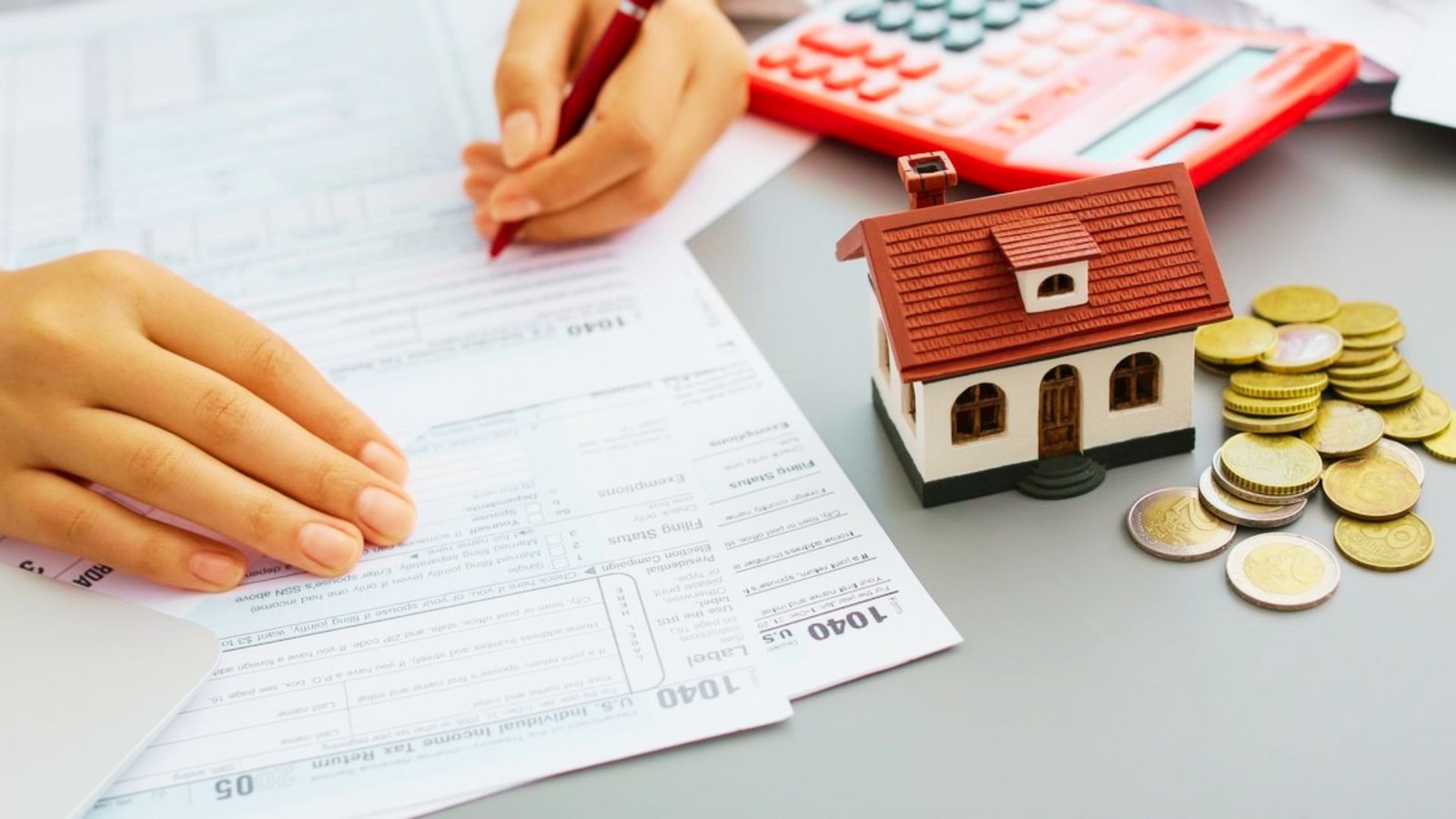


If you own a home, you’ve probably wondered: do you have to pay property taxes forever? I asked myself this same question when I paid off my first mortgage and realized the bills kept coming.
The short answer is yes, but there are ways to reduce what you owe.
This article breaks down how property taxes work, when you might qualify for relief, and how to plan for these costs long term.
I’ll walk you through payment schedules, exemption programs, and smart budgeting strategies. You’ll also learn what happens if you don’t pay and how to challenge unfair assessments.
Let’s get into it.
What Are Property Taxes?

Property taxes are fees collected by your local government to pay for schools, police, fire departments, road repairs, and libraries.
Every property owner pays these taxes, whether you have a mortgage or own your home outright.
Your tax bill depends on your property’s assessed value, determined by a local assessor based on your home’s size, location, and condition.
They multiply this assessed value by your local tax rate. Tax rates vary by location; one county might charge 1.5% while another charges 2%.
Your rate depends on your county, city, and school district.
How Property Taxes Are Paid

Most homeowners pay property taxes through their mortgage company, but once the loan ends, you pay the government directly.
When you have a mortgage, your lender collects property taxes with your monthly payment in an escrow account.
If your annual tax bill is $3,600, you pay $300 extra each month. The lender pays the government when taxes come due.
Once you pay off your home, the escrow account closes and you’re responsible for paying taxes yourself.
You’ll get a bill directly from your local tax collector. Mark payment dates on your calendar missing payments can lead to serious problems.
Do You Have to Pay Property Taxes Forever?
Yes, property taxes continue as long as you own your home, but relief programs exist to help reduce your burden. Paying off your mortgage doesn’t end your tax obligation.
Property taxes attach to the land and building, not your loan. You’ll pay every year as long as your name is on the deed. Some programs can lower your bill.
Many states offer breaks for seniors over 65, veterans, and disabled homeowners.
Homestead exemptions reduce your assessed value, and some areas let you defer payments until you sell or pass away. Check with your local tax office to see what you qualify for.
Consequences of Not Paying Property Taxes
Skipping property tax payments can result in liens on your home and even losing the property through foreclosure.
Liens and Foreclosure Risks
If you don’t pay, the government places a lien on your property. This is a legal claim that must be paid before you can sell.
The lien grows with interest and penalties. After several years of nonpayment, your county can foreclose. They’ll sell your home at auction to recover what you owe.
This happens even if you own the house free and clear. I’ve seen people lose family homes this way. It’s heartbreaking and completely avoidable.
Some investors buy these tax liens and then try to collect from you. It’s a messy situation.
Financial Planning Considerations
Smart homeowners budget for taxes year round. Don’t wait until the bill arrives to figure out where the money will come from.
Open a separate savings account just for property taxes. Deposit money each month like you did when you had a mortgage.
If your annual bill is $4,800, save $400 monthly. When tax time comes, you’re ready. This approach removes stress. You won’t scramble to find thousands of dollars at once.
How to Reduce Property Taxes
You can lower your property tax bill by challenging incorrect assessments and claiming all exemptions you qualify for.
Review and Challenge Assessed Value
Sometimes assessors make mistakes. Your home’s value might be listed higher than it actually is. Compare your assessment to similar homes in your area.
If yours seems too high, you can appeal. Most counties have a formal process for disputes. You’ll need evidence like recent sales data or an independent appraisal.
I challenged mine three years ago. My assessment dropped by $15,000, saving me about $300 annually. The appeal process takes time, but it’s worth it. You might need to attend a hearing.
Claim Applicable Exemptions
Many homeowners don’t claim exemptions they’re entitled to. Don’t leave money on the table. Homestead exemptions are common.
They reduce your taxable value if the property is your primary residence. Senior exemptions kick in at age 65 in most places.
Some states offer income based relief too. Each exemption has its own application process. You’ll need to provide documentation like proof of age or income statements.
Apply as soon as you qualify. These exemptions don’t happen automatically.
Calculating Your Property Taxes
Understanding the math behind your tax bill helps you budget accurately and spot errors on your assessment.
The formula is straightforward: take your home’s assessed value and multiply it by your local tax rate.
Here’s an example: Your home is assessed at $200,000 with a 2% tax rate you owe $4,000 per year. If your rate increases to 2.5%, your bill jumps to $5,000, which is $1,000 more annually.
Tax rates can change when voters approve new bonds or levies, and school funding measures often affect your rate.
Running these numbers before buying a home high taxes can make an affordable house too expensive.
Planning Ahead for Property Taxes
Setting aside money each month for property taxes prevents financial stress and ensures you can pay on time.
Treat property taxes like any other monthly expense, not a once a year event. Divide your annual tax bill by 12 and transfer that amount into savings every month.
If you get paid biweekly, set aside half the monthly amount each paycheck. This method keeps you from draining your checking account when the bill arrives.
Review your property tax statement each year for changes in assessed value or tax rates, and adjust your monthly savings if needed.
Conclusion
Property taxes stick with you for life as a homeowner. They don’t disappear when you pay off your mortgage.
But now you know how to manage them through exemptions, appeals, and smart budgeting. I still remember the shock of my first direct tax bill after paying off my house.
Setting up monthly savings made all the difference. Check with your local tax office about relief programs you might qualify for.
Start planning today so you’re never caught off guard. Got questions or tips about managing property taxes? Drop a comment below and share your experience.
Frequently Asked Questions
Do property taxes stop after you pay off your house?
No, property taxes continue even after your mortgage is paid. The taxes are tied to property ownership, not your loan. You’ll pay them as long as you own the home.
Can you avoid paying property taxes completely?
Complete elimination is rare. Some exemptions for seniors, veterans, or disabled homeowners can significantly reduce taxes, but most people will always owe something to their local government.
What happens if I can’t afford my property taxes?
Contact your local tax office immediately. Many areas offer payment plans or deferral programs. Ignoring the problem can lead to liens and eventual foreclosure on your home.
How often do property tax rates change?
Rates typically change yearly based on local budgets and voter-approved measures. Your assessed property value can also change, affecting your total bill even if rates stay the same.
Are property taxes the same in every state?
No, rates vary widely by state, county, and city. Hawaii has some of the lowest rates, while New Jersey has among the highest. Check local rates before buying property.